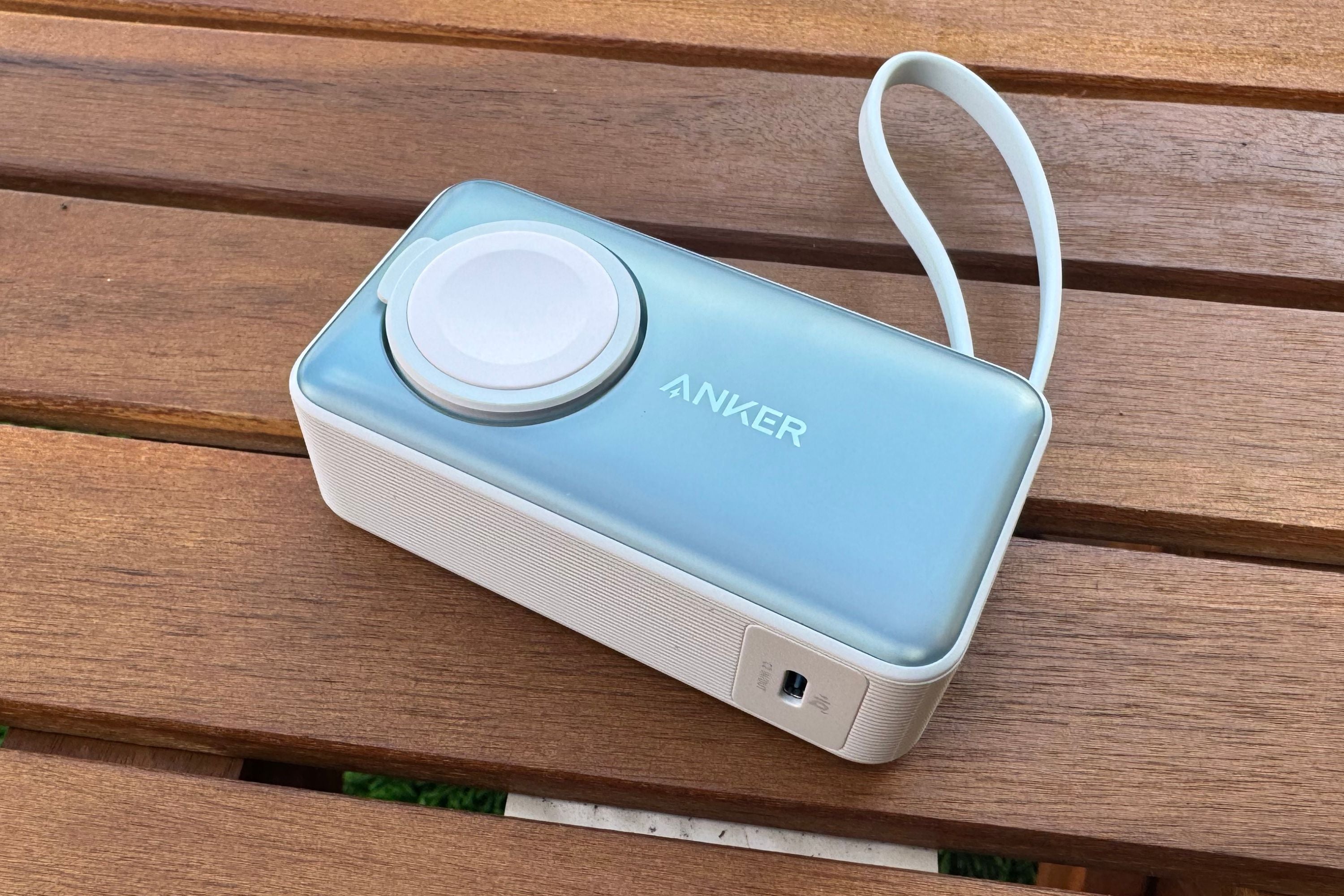
How Power Banks Work: The Technology Behind Portable Charging
Power banks are compact devices designed to store electrical energy for later use, allowing users to charge their electronic devices on the go. The core of a power bank is its battery, typically a lithium-ion or lithium-polymer battery, which is capable of holding a significant amount of charge. When you connect your smartphone or tablet via a USB cable, the power bank transfers its stored energy to the device, replenishing its battery. The efficiency of this process is largely dependent on the internal circuitry, which regulates the voltage and current output to match the requirements of the connected device, ensuring fast and safe charging.
In addition to the battery, power banks contain several key components that contribute to their functionality. A charging circuit is responsible for controlling the input and output of power, preventing overcharging or overheating, which can damage both the power bank and the device being charged. Many modern power banks come equipped with additional features such as LED indicators to display battery levels and multiple output ports for simultaneously charging multiple devices. This combination of technology makes power banks a vital accessory for today’s mobile lifestyle, providing convenience and reassurance that you will never be without power when you need it most.
Counter-Strike is a highly popular team-based first-person shooter game that has captivated players since its initial release. Its competitive gameplay and strategic elements make it a favorite within the esports community. Players can choose to play as terrorists or counter-terrorists, with a variety of maps and game modes available. For those looking for convenience while gaming on the go, check out the Top 10 Compact Travel Chargers to keep your devices powered up.
The Ultimate Guide to Choosing the Right Power Bank for Your Devices
In today's fast-paced digital world, having a reliable power bank is essential for keeping your devices charged on the go. To choose the right power bank for your needs, consider several key factors. Start with capacity, which is measured in milliampere-hours (mAh). A power bank with a higher mAh rating can charge your devices multiple times before needing a recharge itself. For example, a 10,000 mAh power bank can typically charge a smartphone 2-3 times, making it ideal for long trips. Additionally, look for portability; a compact and lightweight design is crucial for easy carrying, especially when traveling.
Next, pay attention to the number of output ports and charging speed. If you have multiple devices, a power bank with multiple USB ports will allow you to charge more than one device at a time. Furthermore, check for fast charging capabilities, such as Quick Charge or Power Delivery, which can significantly reduce the time it takes to charge your devices. Lastly, don't forget to consider safety features like overcharge protection and temperature control to ensure the longevity of both your power bank and devices.
Top 5 Myths About Power Banks Busted: What You Really Need to Know
When it comes to power banks, there are several myths that can mislead consumers into making uninformed decisions. One of the most common misconceptions is that all power banks come with the same charging speed. However, this isn't true. Charging speed varies significantly based on the output specifications of the power bank and the device being charged. For instance, some power banks support fast charging technology, which can considerably reduce charging time for compatible devices, while others may only offer standard charging capabilities. Understanding these differences can help you choose a power bank that meets your needs effectively.
Another prevalent myth is that a higher capacity power bank guarantees multiple charges for your device. While capacity, measured in mAh (milliamp hours), is important, it's not the only factor to consider. Factors like the power loss during charging, the efficiency of the power bank, and the battery size of your device play a crucial role in determining how many times you can charge your device. For example, a 20,000mAh power bank might not fully recharge a high-capacity smartphone if the power bank's efficiency is low. Therefore, always check for real-world performance reviews instead of just focusing on the numbers.