The Science Behind Sleep Tracking: Understanding Your Sleep Patterns
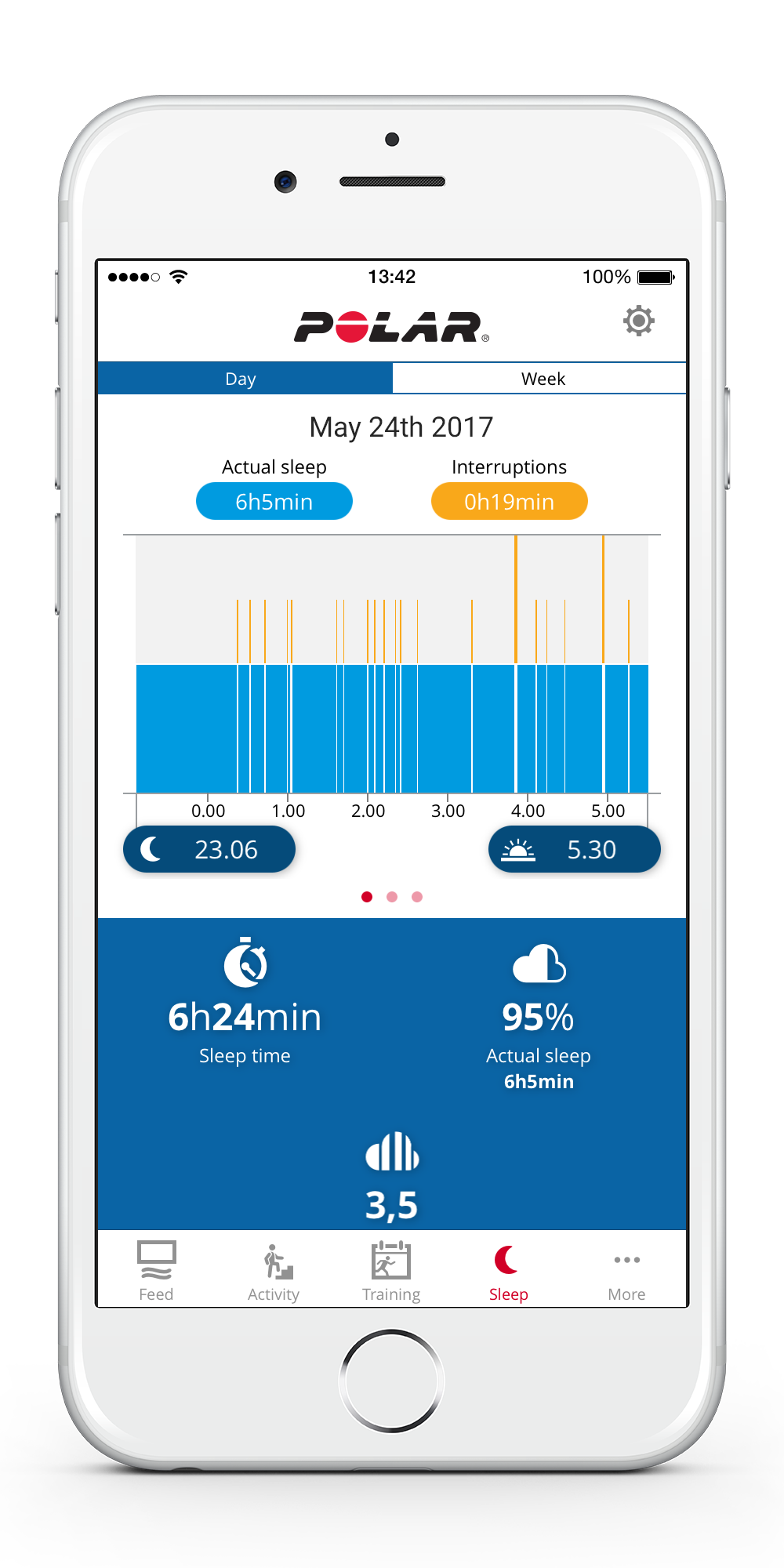
In recent years, sleep tracking has gained immense popularity as people strive to optimize their rest and enhance their overall health. The science behind sleep tracking involves monitoring various metrics such as sleep duration, sleep cycles, and sleep quality. By using devices like smartwatches or dedicated sleep trackers, individuals can collect data about their sleep patterns, including the time spent in REM and deep sleep stages. Understanding these metrics can help you identify factors that affect your sleep, as well as establish a consistent bedtime routine.
Research indicates that analyzing sleep patterns can reveal essential insights into one's health. For instance, consistent sleep disruptions can signify underlying conditions such as sleep apnea or anxiety. By tracking your sleep trends, you can make informed decisions—like adjusting your sleep environment or evaluating lifestyle changes—that promote better rest. Furthermore, utilizing sleep tracking technology allows for greater self-awareness, enabling you to set achievable sleep goals and monitor progress over time, ultimately leading to improved overall well-being.
Counter-Strike is a highly popular first-person shooter game that pits teams of terrorists against counter-terrorists in objective-based gameplay. Players can choose from a variety of weapons and strategies to complete missions or eliminate the opposing team. For those looking for comfort during long gaming sessions, checking out the Top 10 Apple Watch Bands for Sleep can enhance your experience.
How Sleep Data Can Improve Your Health: Tips for Better Rest
Understanding how sleep data can enhance your health is crucial for anyone looking to improve their overall well-being. Tracking your sleep quality and patterns offers valuable insights into your nightly rest. By analyzing sleep data, you can identify factors that affect your sleep, such as stress levels, caffeine consumption, and screen time before bed. Incorporating this information allows you to make informed adjustments to your bedtime routine, ultimately leading to more restorative sleep.
Here are some tips for utilizing sleep data to achieve better rest:
- Use Sleep Tracking Apps: Utilize technology to monitor your sleep cycles and gather data on duration and quality.
- Analyze Patterns: Review your sleep data regularly to identify trends and areas for improvement.
- Implement Changes: Based on your findings, adjust your sleeping environment or habits, such as reducing blue light exposure before bed.
By actively engaging with your sleep data, you can prioritize better rest and significantly boost your health over time.
Is Sleep Tracking Worth It? Pros, Cons, and What to Look For
Sleep tracking has gained immense popularity in recent years, thanks to the proliferation of wearable technology and smartphone apps. One of the **key pros** of sleep tracking is its ability to provide users with valuable insights into their sleep patterns. By monitoring factors such as sleep duration, interruptions, and overall quality, individuals can make informed decisions about their sleep habits. This can lead to improved sleep quality and help in identifying underlying issues like sleep apnea or insomnia. Additionally, many sleep trackers offer personalized recommendations, enabling users to establish better bedtime routines.
However, there are also cons to consider. Many sleep trackers can be inaccurate, particularly if they rely solely on movement data to assess sleep stages. This might lead to confusion or misinterpretation of one’s sleep quality. Furthermore, some people may become overly reliant on the data, leading to anxiety about their sleep performance. When evaluating whether sleep tracking is worth it, it's essential to identify what features are crucial for you. Look for trackers that offer detailed insights, user-friendly interfaces, and compatibility with other health apps to enhance your understanding of your sleep health.