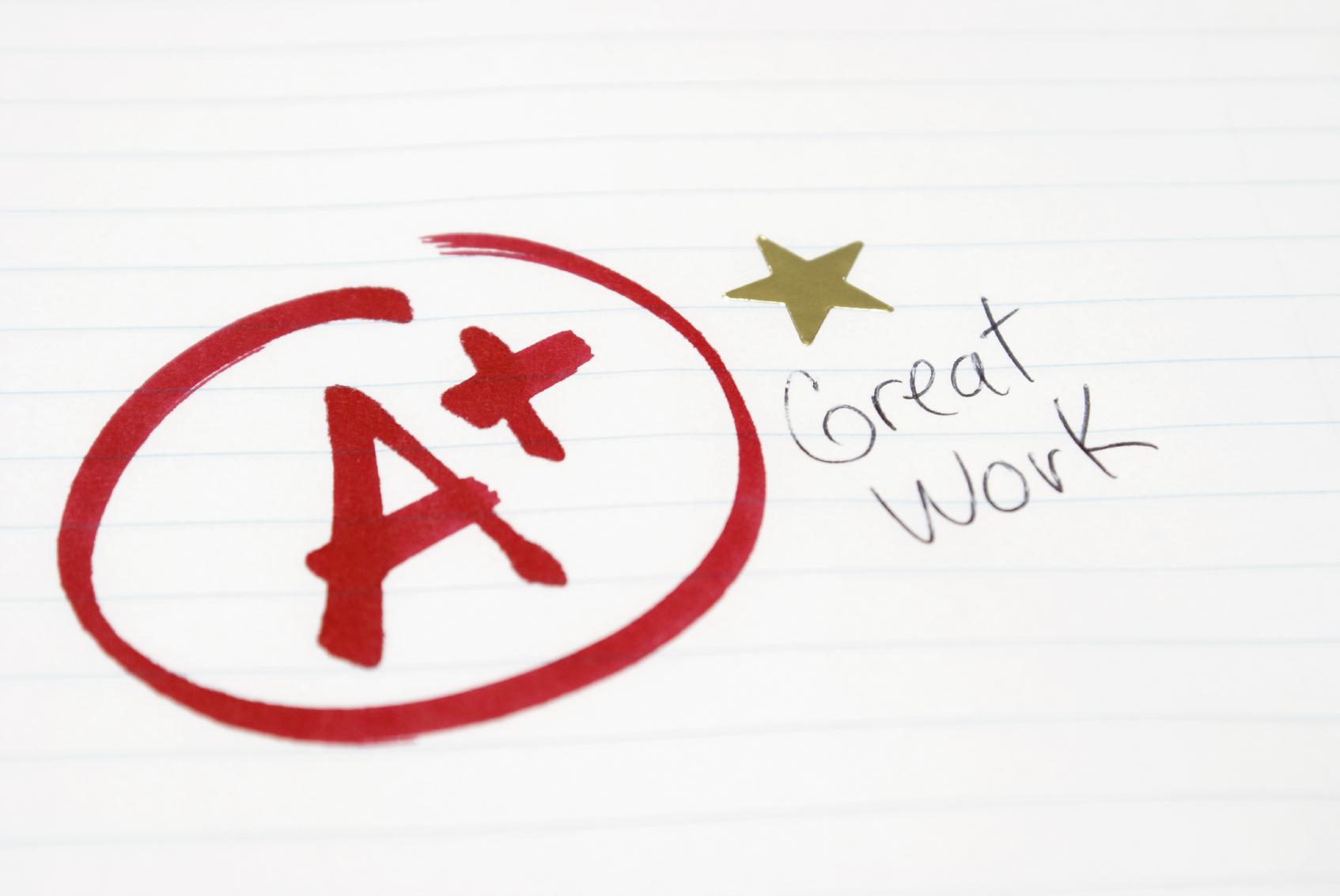
The Hidden Narratives Behind Your Grades: What They Really Mean
Grades are often viewed as straightforward indicators of academic success, but digging deeper reveals a complex landscape of hidden narratives that shape their meaning. For many students, grades may reflect not only their understanding of the material but also their test-taking abilities, time management skills, and even their socio-economic background. For instance, a student who excels in a standardized test environment may struggle in a project-based assessment that requires creativity and collaboration. Thus, grades can sometimes mask the true capabilities and potential of an individual, offering only a narrow view of their overall performance.
Furthermore, the impact of external factors on grades cannot be overlooked. Issues such as mental health, family responsibilities, or access to resources like tutoring can play a significant role in a student’s academic achievement. As a result, relying solely on grades as a measure of a student's worth can perpetuate a cycle of misunderstanding and misjudgment. It is crucial for educators, parents, and peers to recognize these hidden narratives to foster a more inclusive and supportive environment that values understanding over mere numbers.
Counter-Strike is a highly popular tactical first-person shooter game that has captivated gamers since its release. The game emphasizes teamwork and strategy, where players choose to play as either terrorists or counter-terrorists in various scenarios. To excel in the game, it's essential to have the right gear, including durable accessories like Top 10 Military Grade Shockproof Cases for iPhone 17 that can withstand the rigors of intense gaming sessions.
Grades vs. Learning: Are We Measuring the Right Things?
In today's educational landscape, the debate between grades and learning continues to gain momentum. While traditional assessment methods have relied heavily on numerical grades to gauge student performance, many educators argue that this approach fails to capture the full spectrum of a student's knowledge and skills. Instead of focusing solely on outcomes, a shift towards measuring learning process, engagement, and critical thinking abilities may be a more effective way to foster genuine understanding and mastery of subjects.
Moreover, the pressure to achieve high grades can often lead to a superficial approach to education, where students prioritize cramming for exams over deep learning. Schools and educators are now exploring alternative assessment methods, such as portfolios, project-based assessments, and peer evaluations, that emphasize the learning journey rather than just the final outcomes. By re-evaluating what we consider a measure of success, we can create a more enriching educational experience that prioritizes learning as a continuous and holistic process.
How Can Grades Influence Future Opportunities and Choices?
Grades play a crucial role in shaping future opportunities and choices for students. They often serve as a primary metric for assessing academic performance and understanding a student's mastery of various subjects. Higher grades can lead to numerous advantages, such as scholarship opportunities, admittance into prestigious colleges, and enhanced prospects in the job market. According to research, employers frequently consider academic performance as an indicator of potential, which means that students with higher grades may find it easier to secure interviews and job offers after graduation.
Moreover, grades can also influence a student's self-esteem and motivation. This psychological aspect is significant because students who consistently perform well academically tend to be more confident in their abilities, leading them to pursue further education or specialized career paths. Conversely, poor grades may deter students from applying to certain programs or reaching for ambitious goals. As opportunities expand or narrow based on academic performance, it's essential for students to understand the long-term implications of their grades and to seek out support when needed.