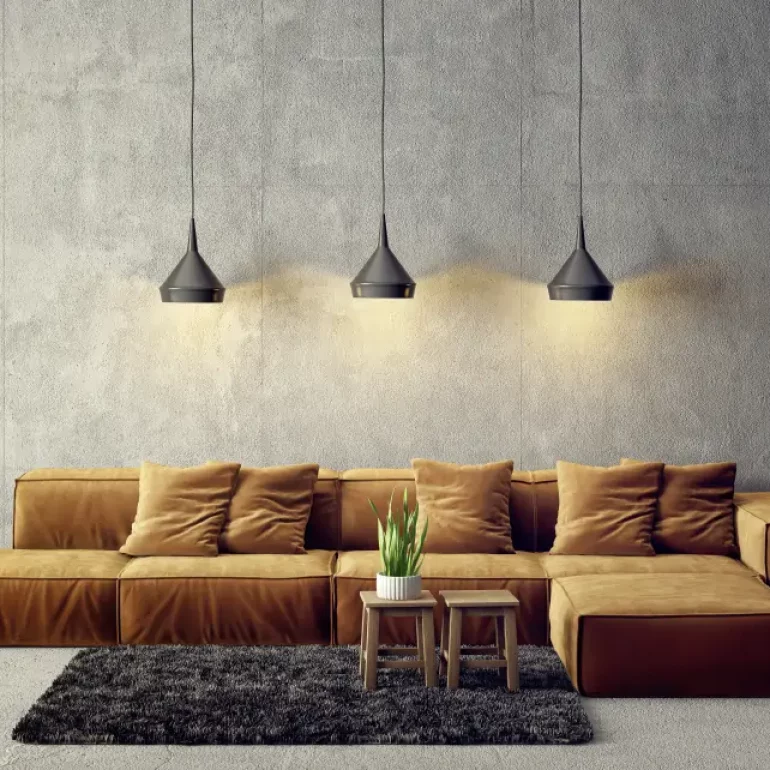
How Does Lighting Affect Your Mood? Discover the Science Behind Your Choices
Lighting plays a crucial role in influencing our mood and emotional well-being. Various studies have shown that lighting conditions, whether natural or artificial, can significantly affect how we feel throughout the day. For instance, exposure to bright, natural light is linked to increased levels of serotonin, a hormone that contributes to feelings of happiness and well-being. Conversely, dim or harsh lighting can lead to feelings of fatigue and irritability. Understanding how different light sources impact our emotions allows us to make informed choices about how we illuminate our spaces.
In addition to natural light, the color temperature of artificial lighting can also alter our mood. Warmer tones tend to create a cozy atmosphere, promoting relaxation and comfort, while cooler tones can enhance focus and alertness. Here are some key insights on how specific types of lighting affect us:
- Warm Light: Associated with relaxation and comfort.
- Cool Light: Enhances concentration and productivity.
- Blue Light: Can disrupt sleep patterns if exposed at night.
By strategically choosing the right type of lighting for different activities or spaces, we can create environments that support our emotional and mental health.
Counter-Strike is a popular first-person shooter video game series that emphasizes team-based gameplay and strategy. Players take on the roles of terrorists and counter-terrorists in various game modes, with the primary objective often revolving around bomb defusal or hostage rescue. For players looking to enhance their gaming experience, exploring the Top 10 Creator Desk Setups can provide insights into optimizing their gaming environments.
Bright Ideas: The Impact of Color Temperature on Your Living Space
When it comes to designing your living space, color temperature plays a crucial role in setting the mood and enhancing the overall aesthetic. Color temperature, measured in Kelvins (K), refers to the warmth or coolness of a light source. For instance, a warm light (around 2700K-3000K) creates a cozy and inviting atmosphere, ideal for living rooms and bedrooms, whereas cooler lights (around 4000K-5000K) can enhance alertness and focus, making them perfect for workspaces and kitchens. Understanding these variations allows homeowners to tailor their lighting choices to suit specific activities and enhance the functionality of each space.
Incorporating different color temperatures can dramatically transform the perception of your home. For example, warm lights can enhance the richness of earthy tones in your decor, while cooler lights can make spaces feel more spacious and modern. To effectively utilize color temperature, consider a mix of lighting options, such as
- Table lamps with warm bulbs for relaxation.
- LED downlights in cooler tones for kitchens and work areas.
- Accent lighting that highlights artwork and decor.
Can Lighting Design Enhance Productivity? Exploring the Connection Between Illumination and Efficiency
Lighting design plays a crucial role in shaping our environments and can significantly impact productivity in both workplace and home settings. Recent studies indicate that illumination directly affects mood, energy levels, and overall efficiency. For instance, well-lit spaces tend to promote greater focus and motivation, while poorly lit environments can lead to fatigue and lack of concentration. By incorporating natural light, adjustable fixtures, and warm color temperatures, businesses can create more inviting and effective workspaces that enhance employees' efficiency.
Moreover, the importance of lighting design extends to various sectors, including education, healthcare, and creative industries. In educational environments, proper lighting can facilitate better learning outcomes by reducing eye strain and increasing engagement among students. Similarly, in healthcare settings, optimized lighting can improve patient recovery times and staff productivity. To maximize the benefits of illumination, organizations should consider implementing smart lighting solutions, which allow for customizable settings based on individual needs and tasks, ultimately leading to an elevation in productivity.