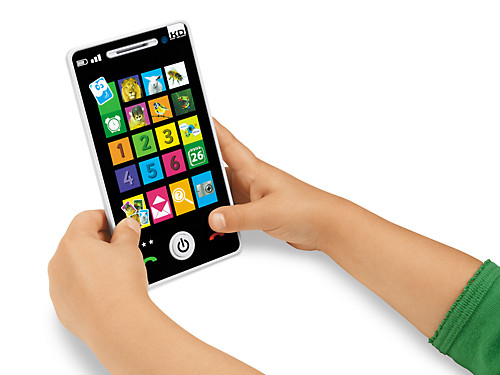
How Smartphones Revolutionized Communication in the 21st Century
The advent of smartphones in the 21st century has fundamentally revolutionized communication, bridging gaps that once seemed insurmountable. With features such as instant messaging, social media, and video calls, smartphones have enabled people to connect with others across the globe in real-time. This shift has transformed personal relationships, allowing families and friends to maintain contact regardless of geographical barriers. As a result, traditional forms of communication such as letters and landline calls have become increasingly obsolete, paving the way for a new era defined by immediacy and accessibility.
Moreover, smartphones have not only changed the way we connect personally, but they have also impacted business communication on an unprecedented scale. Mobile applications and platforms facilitate seamless collaboration among teams, allowing professionals to exchange ideas and work together from different corners of the world. According to recent studies, around 70% of communication in modern businesses occurs through mobile devices, underscoring their significance. Consequently, businesses have adapted to this shift by developing mobile-friendly strategies that enhance customer engagement and improve service delivery, further highlighting the transformative power of smartphone technology.
Counter-Strike is a highly popular first-person shooter game that pits terrorists against counter-terrorists in various objective-based missions. Players can choose to engage in competitive matches or casual gameplay, and the game's dynamic maps and strategic elements offer endless opportunities for teamwork and skill development. In the midst of discussing gaming, you might want to check out the Top 10 Samsung Galaxy Ultra Accessories to enhance your mobile gaming experience.
The Impact of Smartphones on Mental Health: What You Need to Know
The advent of smartphones has dramatically transformed our daily lives, offering unparalleled access to information and connectivity. However, it's essential to acknowledge the impact of smartphones on mental health. Research suggests that excessive smartphone use can lead to issues such as anxiety, depression, and social isolation. For instance, a study by the American Psychological Association found that students who spent more than three hours a day on their phones were more likely to report feelings of loneliness and unhappiness. Consequently, understanding how to manage smartphone use is crucial for maintaining a healthy mental state.
On the other hand, smartphones can also serve as tools for improving mental health. Users can access mental health apps that offer resources like meditation, counseling, and community support. It's vital to strike a balance between beneficial and detrimental uses of these devices. Consider setting boundaries for smartphone usage by implementing techniques such as the Pomodoro Technique and creating phone-free zones to foster more meaningful in-person interactions. By being mindful of the impact of smartphones on mental health, individuals can harness the benefits while minimizing potential drawbacks.
Are Smartphones Really Making Us Smarter or Just Distracted?
The debate surrounding whether smartphones are making us smarter or simply distracting us is one that continues to gain traction in the digital age. On one hand, smartphones offer unprecedented access to vast stores of information, educational resources, and productivity tools. With apps designed for learning, productivity, and even mental exercises, it can be argued that these devices enhance cognitive skills and facilitate greater knowledge acquisition. For instance, a recent study indicates that individuals who frequently use educational apps demonstrate improved problem-solving skills and information retention.
Conversely, the pervasive presence of smartphones in our daily lives often leads to distractions that can hinder our ability to focus and engage deeply with tasks. Notifications, social media, and the constant urge to check our devices may fragment our attention and reduce overall productivity. In fact, research reveals that prolonged smartphone use can contribute to diminished attention spans, making it challenging to concentrate on more demanding intellectual pursuits. Thus, while smartphones have the potential to be powerful tools for learning, their capacity for distraction cannot be overlooked.