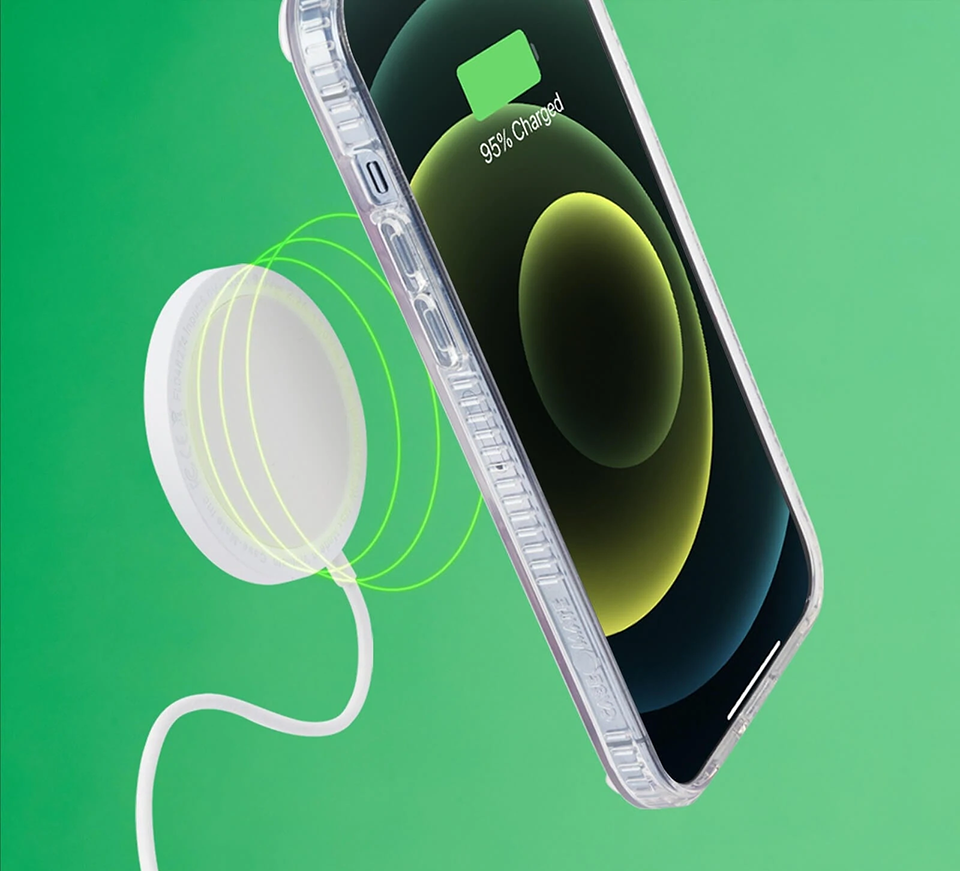
The Future of Power: How Wireless Charging Technology Works
The future of power is rapidly evolving, with wireless charging technology at the forefront of this transformation. Unlike traditional charging methods that rely on cables and plugs, wireless charging utilizes electromagnetic fields to transfer energy between a transmitter and a receiver. This innovative process typically employs inductive charging, where magnetic coils generate an alternating electromagnetic field. When a compatible device is placed on a charging pad, the receiver coil converts this field back into electrical energy, charging the device efficiently and conveniently.
As we look ahead, the implications of wireless charging technology are profound. It promises not only more accessible charging solutions for smartphones and electric vehicles but also the potential for a future where charging happens seamlessly in everyday environments. Imagine a scenario in which your devices charge while sitting on a table in your home or as you walk through a charging station in a public area. This technology could significantly enhance user experience and reduce the clutter of charging cords, marking a significant step towards a more connected and convenient world.
Counter-Strike is a popular tactical first-person shooter game that emphasizes teamwork and strategy. Players can choose to be part of the terrorists or counter-terrorists, with the goal of completing objectives or eliminating the opposing team. For gamers looking to enhance their experience on the go, consider exploring the Top 10 magsafe power banks for reliable power solutions.
Debunking Myths: Can Wireless Charging Damage Your Smartphone?
In recent years, wireless charging technology has gained significant popularity, leading to the rise of several myths regarding its impact on smartphones. One common misconception is that wireless charging can potentially damage your device due to overheating. While it is true that wireless charging can generate more heat compared to traditional charging methods, most modern smartphones are equipped with built-in thermal management systems that regulate temperature. This means that if your phone gets too hot, it automatically stops charging or reduces the charging speed, effectively preventing any potential damage.
Another myth is that using wireless charging can lead to battery degradation faster than wired charging. In reality, the rate of battery wear is influenced more by charging cycles and the overall charging habits of the user rather than the method of charging itself. According to experts, as long as you use a reputable wireless charging pad that is compatible with your smartphone, you should not experience any negative effects on battery health. Therefore, embracing this convenient technology does not compromise your smartphone’s longevity; instead, it offers a seamless way to stay powered up.
How Does Wireless Charging Compare to Traditional Charging Methods?
Wireless charging has gained popularity in recent years, offering a convenient alternative to traditional charging methods. Unlike conventional wired chargers that require plugging in a cable, wireless charging relies on electromagnetic fields to transfer energy between a charging pad and a compatible device. This technology allows users to simply place their devices on a charging pad, eliminating the hassle of tangled cords and damaged ports. Furthermore, many wireless charging stations come equipped with features like fast charging, making them not only convenience-driven but also efficient.
In contrast, traditional charging methods involve a direct wired connection between the charger and the device, typically using a USB cable. While this method is known for its reliability and generally faster charging speeds, it does come with drawbacks such as wear and tear on cables and ports. Additionally, users must ensure they have the correct charger available, which can be cumbersome when on the go. Each method has its pros and cons, but the choice often depends on personal preference, charging speed requirements, and the specific needs of the user.