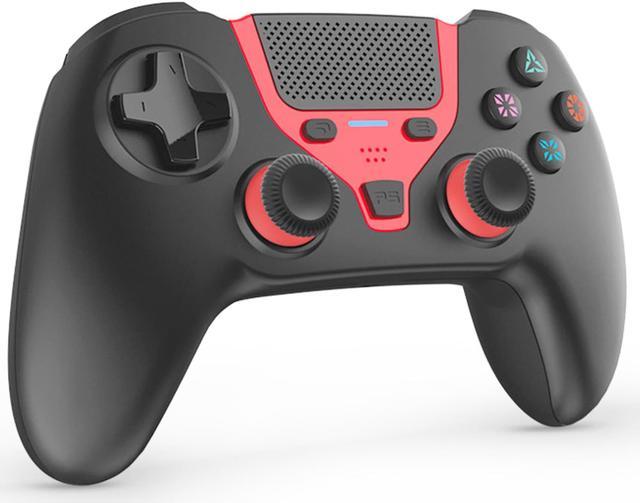
The Hidden Grammar of Game Controllers: How Your Fingers Speak Through Design
The design of game controllers is not just a marvel of engineering but also an intricate language that communicates with our fingers. Each button, joystick, and trigger invites interaction, translating our physical movements into digital actions. Understanding this grammar of game controllers allows us to appreciate how these devices have evolved to suit our needs. For instance, the placement of buttons follows a logical structure that caters to thumb movements, prioritizing comfort and facilitating rapid response. The ergonomics incorporated into modern designs ensure that the user’s experience is intuitive, drawing us into immersive worlds where every gesture and touch matters.
Furthermore, the tactile feedback provided by various controller components plays a crucial role in enhancing our gaming experience. Designers meticulously calibrate vibration motors, trigger sensitivity, and button resistance to convey emotions through gameplay. A well-designed controller enables players to express their intent: a gentle push may signify caution, while a hard press can reflect urgency. This non-verbal communication through tactile responses showcases how the evolution of game controllers speaks volumes about player engagement. Understanding these nuances not only enriches our appreciation of video games but also emphasizes the importance of design in shaping gameplay.
Counter-Strike is a popular series of multiplayer first-person shooter games that emphasizes team-based gameplay and strategic planning. Players can choose to be part of either the terrorist or counter-terrorist team, completing objectives or eliminating the opposing side. For those looking to enhance their mobile gaming experience, check out the Top 10 iPhone controllers that can provide better control and responsiveness.
Unlocking Controller Linguistics: What Your Hands Communicate in Gameplay
In the realm of gaming, controller linguistics refers to the intricate language our hands speak through the medium of gameplay. Every button press, joystick movement, and trigger pull contributes to a dialogue between the player and the game. For instance, executing a flawless combo in fighting games not only requires precise timing but also a deep understanding of the controller's language, as players must communicate with the game through rapid sequences of inputs. This non-verbal communication can express emotions like frustration, excitement, and satisfaction, showcasing the player's skill and engagement level.
Understanding this controller linguistics can significantly enhance a player’s performance. For example, players who master the art of micro-movements can dodge or counteract opponents with remarkable finesse. Techniques such as analog stick sensitivity adjustments or customizing button layouts can transform gameplay dynamics, offering a strategic advantage. As gamers learn to read their own muscle memory and adapt their inputs, they unlock a deeper connection with their gaming experience, ultimately paving the way for higher levels of skill and enjoyment in their favorite titles.
Are Gaming Controllers the New Musical Instruments? Exploring the Rhythm of Interaction
As the lines between traditional forms of entertainment blur, gaming controllers are stepping into an unexpected role: that of musical instruments. Emerging technologies and innovative game design are transforming the way players interact with music, allowing them to create, modify, and manipulate soundscapes using the very devices designed for gaming. This evolution raises intriguing questions about the nature of music and interaction. Can a simple push of a button or flick of an analog stick evoke the same creativity as strumming a guitar or tapping piano keys? In many ways, the answer is yes. Players are finding rhythm in the interactivity of gaming, establishing a new language of sound that speaks to both casual players and seasoned musicians alike.
One notable example of this phenomenon is found in games such as Beat Saber and Crypt of the NecroDancer, where gaming controllers double as instruments, blurring the lines between gameplay and musical performance. These titles emphasize not only timing and rhythm but also the emotional connection that music fosters. By integrating gameplay mechanics with musical elements, developers are unlocking new pathways for expression and creativity. As the digital landscape continues to evolve, we may soon see an era where gaming controllers are not only instruments of play but also tools for musical expression, inspiring a generation of creators to explore new genres and compositions.