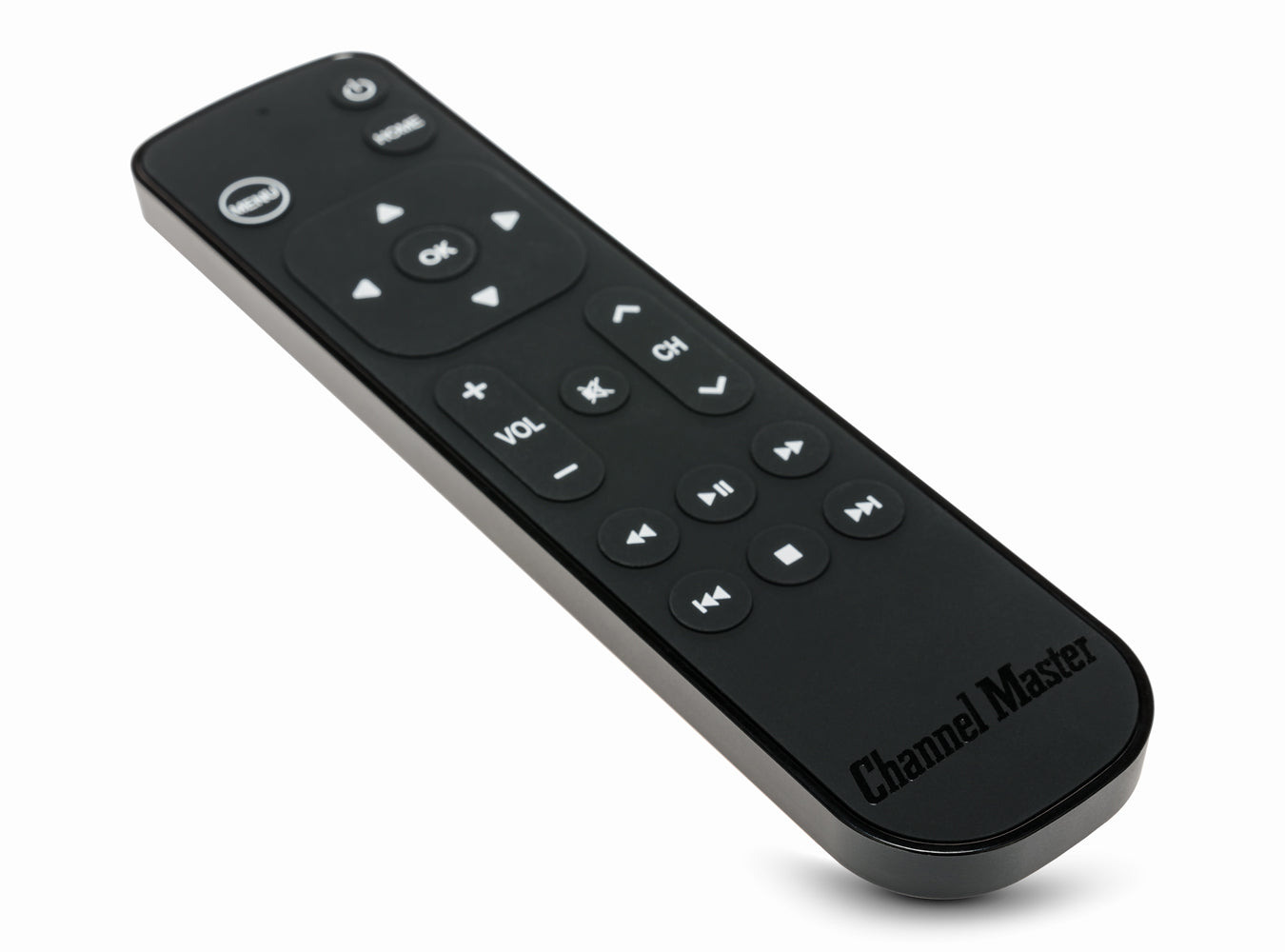
The Hidden Influence: How Your Remote Control Shapes Your Daily Decisions
The remote control is often taken for granted in our daily lives, but its influence on our decisions is profound yet subtle. This small device allows us to curate our viewing experiences, ultimately shaping our preferences and interests. Studies have shown that the ease of flipping through channels can lead us to watch programs we might not have initially chosen. This hidden influence can extend beyond entertainment; the types of shows we engage with can impact our moods, values, and even social interactions. For instance, tuning in to a thrilling action series may encourage a more impulsive decision-making style, while watching educational documentaries could lead to more thoughtful, informed choices.
Moreover, the remote control is a powerful tool in shaping our distracted decision-making. With countless streaming options at our fingertips, we often spend more time browsing than actually watching. This habitual scrolling can create a cycle of procrastination, steering our focus away from important tasks. Additionally, advertisements presented during our viewing can plant seeds of desire, influencing our purchasing decisions and lifestyle choices. Recognizing the impact of our remote control habits is crucial; it can help us reclaim our time and make more intentional decisions beyond the screen.
Counter-Strike is a popular team-based first-person shooter game that has been engaging players since its initial release in 1999. Players can choose between two opposing factions, terrorists and counter-terrorists, aiming to complete objectives or eliminate the opposing team. Alongside the game, equipping yourself with the right tools is essential; for instance, check out the Top 10 iPad Accessories for Remote Work to enhance your gaming or work setup. With a robust competitive scene and various game modes, Counter-Strike continues to be a favorite in the gaming community.
Are You a Passive Viewer? Understanding the Psychological Impact of TV Remote Usage
In today's fast-paced digital age, many individuals find themselves becoming passive viewers as they navigate through an endless array of television channels and streaming services. This trend can lead to a state of mind where viewers disengage from active thought and critical analysis, simply consuming content without reflection. Research indicates that spending excessive time using a TV remote to switch between shows not only diminishes our attention spans but also impacts our overall mental health, creating a cycle of dependency on visual stimulation. Understanding this psychological phenomenon is crucial for those who want to reclaim their time and engage more meaningfully with media.
Moreover, the psychological impact of using the TV remote manifests in various aspects of our lives. For instance, it can contribute to a form of escapism, where viewers turn to the screen during stressful times instead of addressing their emotions directly. This can lead to feelings of isolation and disconnection from the real world. As a solution, it is essential to establish a more intentional approach to viewing habits. Consider setting limits on screen time and engaging in discussions about the content consumed, fostering a more active engagement that counters the passive viewer mindset. Embracing these practices not only enriches our viewing experiences but also nurtures our mental well-being.
Is Your Remote Control More Powerful Than You Think? Exploring the Connection Between Screen Time and Life Choices
In today's digital age, many of us underestimate the influence of simple devices in our lives, particularly the remote control. While it may seem like just a tool for navigating our favorite TV shows and movies, it plays a significant role in shaping our screen time habits. Studies have shown that excessive screen time can lead to unhealthy lifestyle choices, including poor diet and reduced physical activity. This is a concerning trend, especially considering that our life choices are often guided by what we consume on-screen. Are we aware of how this seemingly innocuous control device impacts our daily decisions?
The connection between our remote controls and our life choices extends beyond mere entertainment. As we spend more hours in front of screens, we may become desensitized to the world around us, leading to a decline in social interactions and physical activities. Author and mindfulness expert, Dr. Jane Smith, asserts,
"The power of your remote control should not be underestimated; it can either be a source of joy or a trap that consumes valuable time. It's crucial to be mindful of how we use it."By acknowledging this relationship, we can take proactive steps to balance our screen time with healthier habits, ultimately making choices that enrich our lives.